Aluminium Roofing is a popular metal roofing option
for residential, commercial and industrial buildings. Its lightweight
construction, natural corrosion resistance and long service potential make it
suitable for projects exposed to heavy rainfall, humidity and coastal conditions.
Aluminium roofing sheets are available in different
profiles, thicknesses and finishes to meet architectural and functional
requirements. Selecting the right roofing system depends on the building
structure, local climate, insulation needs and installation specifications.
What Is Aluminium Roofing?
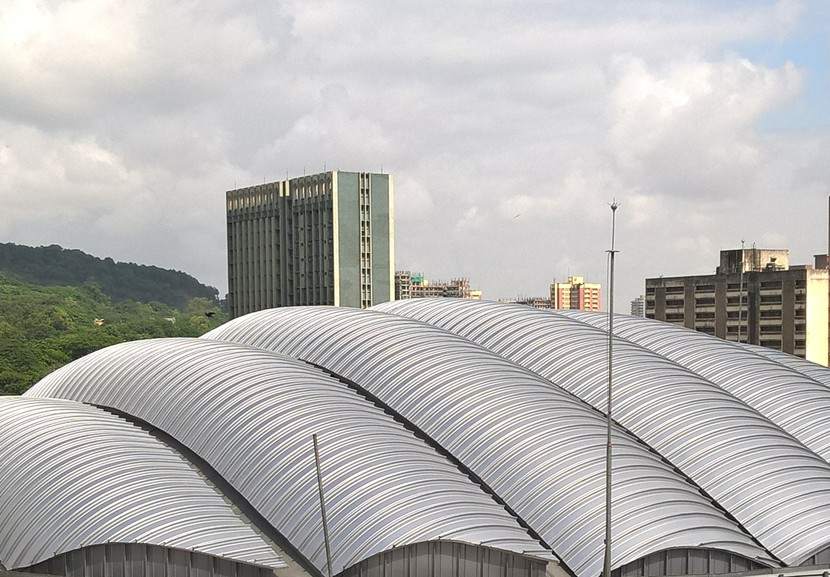
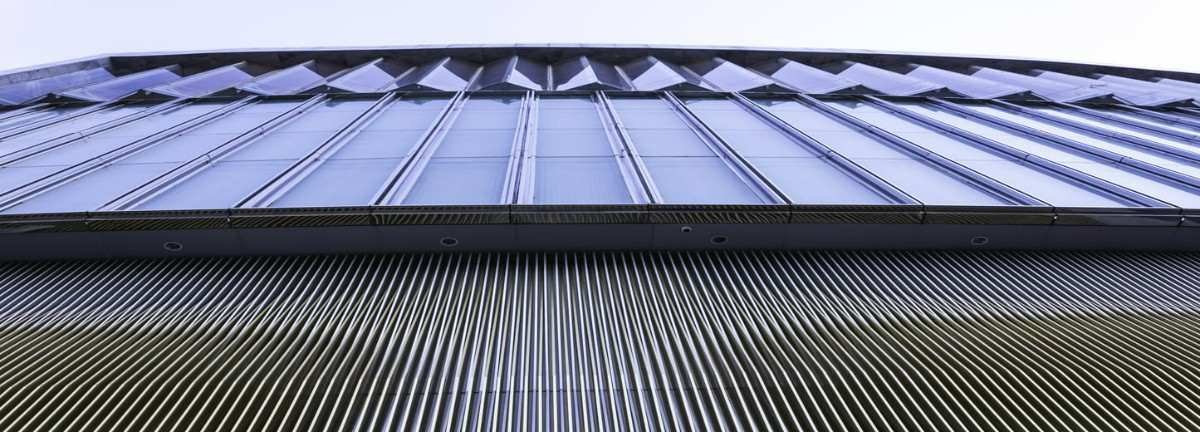
Aluminium roofing uses formed aluminium sheets or panels
installed over a supporting roof structure. Depending on the design, these may
include profiled sheets, standing seam panels and other architectural roofing
systems.
Aluminium naturally develops a protective oxide layer that
helps resist corrosion. This makes it a useful material for buildings in
locations where moisture and humid conditions are common.
Key Benefits of Aluminium Roofing
1. Natural Corrosion Resistance
One of the main advantages of aluminium roofing is its
resistance to rust. Unlike conventional steel, aluminium does not form iron
rust. Its protective oxide layer helps maintain the material's surface,
although suitable coatings and correct installation remain important in
aggressive environments.
2. Lightweight Construction
Aluminium sheets are lighter than many traditional roofing
materials. This can reduce the dead load placed on the supporting structure and
make material handling more convenient. Structural design must still account
for wind uplift, panel spans and fixing requirements.
3. Heat Reflection and Energy Efficiency
Aluminium surfaces can reflect a portion of incoming solar
radiation, depending on their finish and coating. When combined with suitable
insulation, ventilation and roof design, aluminium roofing can help improve
indoor thermal comfort and manage cooling requirements.
4. Long-Term Durability
With suitable material specifications, installation and
maintenance, aluminium roofing can provide long service. Actual lifespan varies
according to sheet thickness, coating quality, environmental exposure, drainage
and maintenance practices.
5. Recyclability
Aluminium is recyclable and can be recovered for reuse. Its
recycling potential makes it a useful material to consider when evaluating
resource efficiency and the overall environmental impact of a building project.
Types and Applications of Aluminium Roofing Sheets
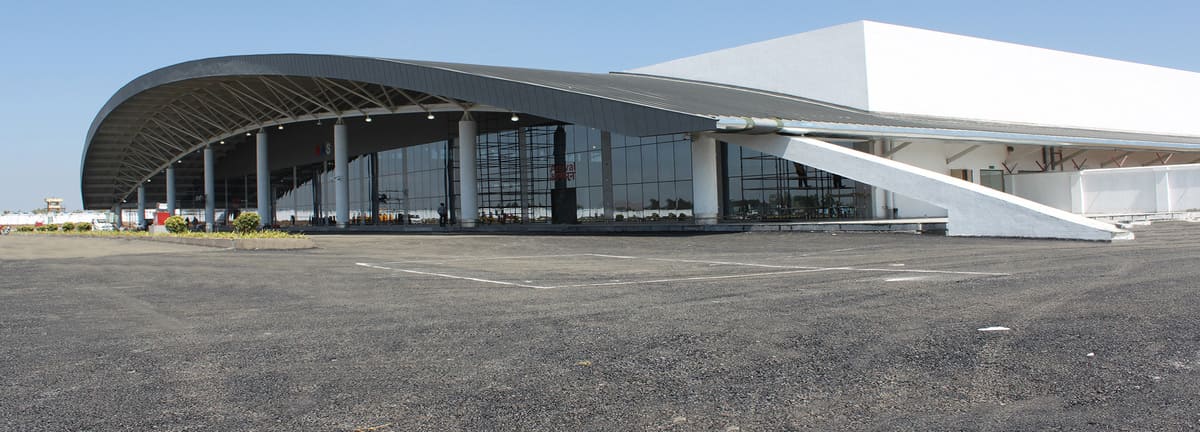
Aluminium roofing sheets are used across warehouses,
factories, commercial buildings, institutional facilities and selected
residential projects.
Common options include:
- Profiled
aluminium sheets: Suitable for many conventional roofing applications.
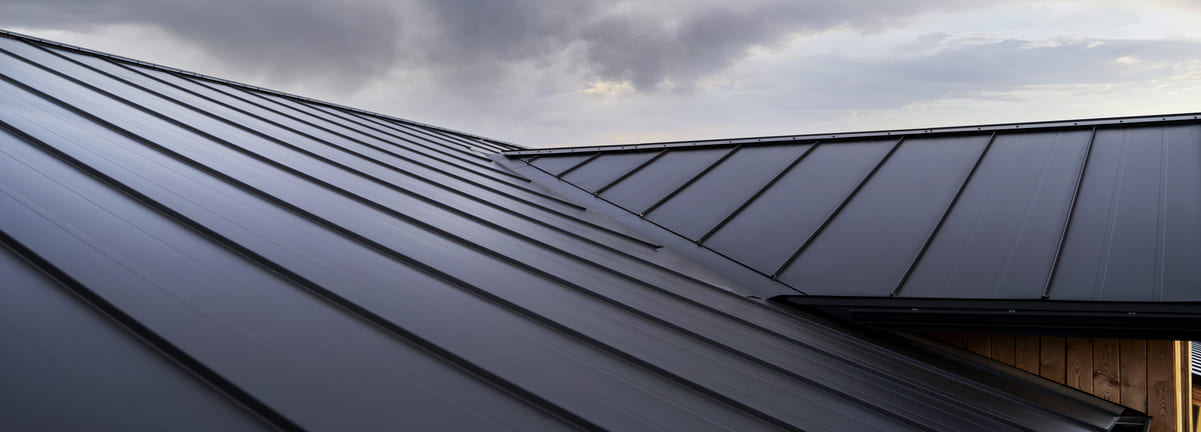
- Standing
seam systems: Provide concealed-fixing roof designs for architectural
projects.
- Insulated
roofing assemblies: Combine metal roofing with insulation to support
thermal performance.
The appropriate option depends on roof geometry, structural
requirements, rainfall, wind conditions and the intended building use.
Aluminium Roofing Solutions by Vijaynath
Vijaynath Roof & Wall Cladding Solutions provides
roofing and wall cladding solutions for architectural, commercial and
industrial projects. Through vijaynath.in, project teams can explore
roofing options and discuss material selection, roof profiles and application
requirements.
Before choosing aluminium roofing sheets, confirm the
material grade, thickness, finish, fixing method, structural compatibility and
installation details with qualified technical professionals.
Frequently Asked Questions
Is aluminium good for roofing?
Yes. Aluminium offers low weight, corrosion resistance and
recyclability, making it suitable for many building applications.
What is the price of a 12 ft tin roofing sheet?
Pricing depends on the material, thickness, profile, coating
and supplier. Aluminium and galvanised steel sheets may have different prices.
How much does a 20 ft metal roofing sheet cost?
The cost varies by material grade, dimensions, thickness,
finish and order quantity. Request a project-specific quotation.
What is the price per square foot for an 8×4 aluminium
sheet?
Prices depend on sheet thickness, grade, finish and market
rates. Confirm current pricing with the supplier.
Conclusion
Aluminium roofing is a practical choice for projects
requiring lightweight construction, corrosion resistance and long-term
performance. Choosing suitable aluminium roofing sheets and ensuring
professional installation are essential for reliable results.
Contact Vijaynath Roof & Wall Cladding Solutions to
discuss your roofing requirements. Visit www.vijaynath.in
to learn more about its roofing and wall cladding solutions.